Commercial Cleaning Compliance Guide for Facilities

Updated: Sep 29
A missed cleaning requirement can delay a turnover, expose workers to preventable hazards, or leave a facility unprepared for an inspection. This commercial cleaning compliance guide is built for the people responsible for keeping construction sites, warehouses, manufacturing plants, and managed properties safe, presentable, and ready to operate.
Compliance is not a binder that sits in an office. It is the daily connection between the cleaning scope, the work environment, the crew’s training, and the records that show the work was performed correctly. For commercial operators across New England, that connection matters most when schedules are tight and site conditions change quickly.
A missed cleaning requirement can delay a turnover, expose workers to preventable hazards, or leave a facility unprepared for an inspection. This commercial cleaning compliance guide is built for the people responsible for keeping construction sites, warehouses, manufacturing plants, and managed properties safe, presentable, and ready to operate.
Compliance is not a binder that sits in an office. It is the daily connection between the cleaning scope, the work environment, the crew’s training, and the records that show the work was performed correctly. For commercial operators across New England, that connection matters most when schedules are tight and site conditions change quickly.
Start With a Site-Specific Compliance Scope
A compliant cleaning program starts before a crew arrives. Generic task lists are not enough for active construction, industrial environments, or high-traffic commercial properties. The scope should identify what will be cleaned, where the work will occur, when it can occur, and which hazards may affect the crew or the people working nearby.
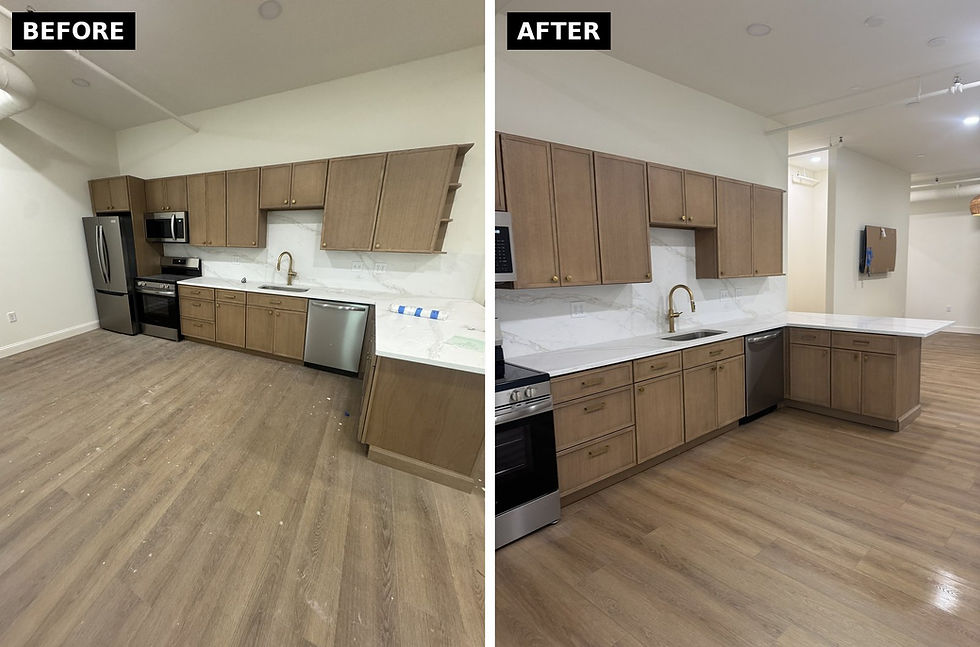
For a post-construction project, that may mean separating rough cleaning, detail cleaning, and final punch cleaning into distinct phases. Rough cleaning addresses debris, packaging, and heavy dust after trades complete major work. Detail cleaning focuses on fixtures, surfaces, glass, floors, and remaining construction residue. Final punch cleaning addresses the items that stand between a completed building and a move-in-ready handoff.
In a warehouse or manufacturing facility, the scope may need to account for vehicle lanes, active production equipment, loading docks, mezzanines, racking, floor conditions, and restricted areas. A daily janitorial plan for an occupied office building has different controls, particularly around tenant access, restroom sanitation, floor care, and after-hours security.
The right scope also assigns responsibility. The property owner, general contractor, facility manager, cleaning contractor, and site safety representative should be clear on who provides access, who controls work zones, who communicates schedule changes, and who authorizes work in sensitive areas. When responsibility is vague, compliance failures usually follow.
Commercial Cleaning Compliance Guide: Core Controls
The details vary by site, but several controls should be part of every serious commercial cleaning operation.
Verify training, supervision, and worker authorization
Cleaning crews should be trained for the conditions they will encounter, not simply for basic janitorial tasks. On an active jobsite, personnel may need site orientation, hazard communication training, fall-protection awareness, personal protective equipment instruction, and procedures for working around other trades.
High-reach work requires additional scrutiny. If a task involves aerial lifts, elevated platforms, or work near overhead systems, the crew must have the appropriate training and authorization for the equipment and site rules. A cleaner with excellent floor-care experience is not automatically qualified to operate an aerial lift or work at elevation.
Ask a provider how they document training and who supervises the work. The answer should go beyond a verbal assurance. A dependable contractor can explain its onboarding process, jobsite briefings, crew-lead responsibilities, and escalation procedures when conditions are unsafe or outside the agreed scope.
Control chemical use and hazard communication
Cleaning chemicals are useful only when selected, labeled, stored, and applied correctly. The site should maintain access to current Safety Data Sheets for products in use, and workers should understand the required protective measures, dilution instructions, ventilation needs, and first-aid guidance.
This is especially relevant in facilities with food handling, healthcare-adjacent areas, manufacturing processes, or sensitive finishes. A stronger chemical is not always the better choice. The right product depends on the surface, soil type, occupancy conditions, dwell time, and any customer or regulatory requirements.
Never allow unlabeled secondary containers or improvised mixing. Chemical compatibility matters. Certain products can create dangerous reactions when mixed, while others can damage flooring, coatings, metals, or equipment. A compliant plan includes approved products, a controlled storage area, spill-response expectations, and a process for reporting damaged containers or exposure incidents.
Match PPE to the task and the hazard
Personal protective equipment should be determined by the work, not handed out as a one-size-fits-all solution. Gloves, eye protection, respiratory protection, high-visibility apparel, slip-resistant footwear, hard hats, and fall-protection equipment may all be appropriate in different commercial cleaning environments.
For example, a final construction clean may require eye protection and hard hats in active areas, while high-dust work near overhead surfaces may require respiratory controls based on the materials present and the exposure risk. Wet floor work requires visible warning signage and footwear that supports traction. PPE must be available, correctly fitted, and used consistently.
Respiratory protection deserves special attention. Dust from construction activity can contain more than ordinary dirt. If a task could involve silica-containing materials, lead, asbestos, mold, or another regulated hazard, stop treating it as routine cleaning. The site needs qualified assessment and controls before work proceeds. Cleaning contractors should not disturb suspect hazardous materials without the proper scope, training, and protections.
Manage dust, debris, and waste correctly
Dust control is both a cleanliness issue and a safety issue. Settled dust can affect indoor air quality, contaminate finished surfaces, interfere with equipment, and create a poor impression during an owner walk-through. In industrial spaces, dust accumulation can also introduce operational and fire risks depending on the material involved.
Use the method that fits the environment. HEPA-filtered vacuuming, damp wiping, controlled collection, and staged cleaning often provide better results than dry sweeping or simply moving dust from one surface to another. High-reach dust mitigation should be planned around access methods, fall hazards, production schedules, and protection of equipment below.
Waste handling must follow the project and facility rules. Construction debris, general trash, recyclable materials, regulated waste, and potentially hazardous materials should not be combined because it is convenient. Confirm container locations, hauling arrangements, disposal restrictions, and any documentation required by the client or local authority.
Build Documentation Into the Workday
A cleaning job can be completed properly and still create risk if nobody can verify what happened. Documentation gives facility leaders visibility, supports incident review, and shows that the contractor is managing work with discipline.
The records should match the level of risk and complexity. A recurring office cleaning program may rely on service checklists, supply logs, and quality inspections. A large post-construction or industrial project may also require daily site reports, attendance records, safety meeting documentation, equipment inspections, work-zone controls, incident reports, and photographic closeout records.
Do not confuse paperwork with performance. The purpose of documentation is to confirm that the right controls were used and that issues were addressed promptly. A checklist that is copied every day without a real site inspection has little value. The best records identify exceptions, corrective action, and the person responsible for closing the issue.
Inspect for Readiness, Not Just Appearance
A space can look clean while still failing the standard required for turnover or occupancy. Quality control should inspect the details that affect safety, operation, and presentation: dust on elevated surfaces, debris in corners and mechanical rooms, residue on glass, blocked exits, wet-floor hazards, missed restroom conditions, and leftover materials in tenant or production areas.
For construction closeouts, align inspections with the general contractor’s sequence and punch-list process. Cleaning too early can create rework when additional trades return. Cleaning too late can compress the final schedule and leave no time for corrections. The practical answer is phased work with clear release areas and regular communication with the superintendent.
For ongoing facilities, inspect trends as well as single events. Repeated floor contamination near loading docks, recurring dust on racking, or frequent restroom supply shortages point to a scope or scheduling problem. Adjusting frequency, staffing, equipment, or access windows may solve the issue more effectively than asking the crew to work faster.
Choose a Cleaning Partner That Can Operate at Your Standard
Commercial cleaning compliance depends on the contractor’s operating discipline. Before awarding a project or recurring contract, verify insurance, relevant certifications, safety procedures, staffing capacity, and experience in comparable environments. A provider should be able to explain how it handles active jobsites, industrial traffic, high-reach work, change orders, and quality verification.
Price matters, but the lowest bid can become expensive when it excludes required labor, equipment, supervision, or safety controls. Compare scopes line by line. Confirm whether debris removal, lift access, consumables, specialty floor care, after-hours work, and final touch-ups are included. If the job conditions are uncertain, an on-site estimate is usually the sounder approach.
CC Smart Maintenance approaches commercial cleaning as an operational requirement, not an afterthought. For demanding construction, warehouse, and industrial environments, the objective is simple: deploy qualified crews, control the work, and deliver a clean space that is ready for the next phase.
The most useful compliance plan is the one your team can execute every shift. Keep the scope current, address hazards before work begins, document what matters, and treat every inspection as preparation for safe occupancy and reliable operations.
Frequently Asked Questions
What does cleaning compliance mean for commercial facilities?
It means cleaning is done in a way that meets safety and regulatory requirements, including trained and supervised workers, proper chemical handling and hazard communication, correct PPE, dust and waste control, and documentation. Compliance also means the facility is left inspection-ready, not just visibly clean.
What OSHA rules apply to commercial cleaning?
Common ones include hazard communication for chemicals, PPE requirements, walking-working surfaces, and training for lifts or ladders when used. Construction-phase work may also fall under OSHA's construction standards, including silica rules. In Maine, private-sector employers fall under federal OSHA, while public-sector workplaces are covered by the state.
What documentation should a cleaning contractor provide?
Ask for safety data sheets for chemicals used, training records, insurance certificates, the scope and checklists, and completion records or photos for key areas. Documentation helps during audits, inspections and tenant questions, and shows the work was done to the agreed standard.
How do I choose a cleaning partner that meets compliance standards?
Choose a partner that can explain its safety program, train and supervise its own crews, match PPE and methods to your site, and document the work. CC Smart Maintenance crews are OSHA and aerial-lift certified and work to OSHA standards in Maine facilities.
Need a crew in Portland or anywhere in Maine and New England? CC Smart Maintenance is OSHA and aerial-lift certified. Call (207) 358-0837 or request a walkthrough and quote.
Start With a Site-Specific Compliance Scope
A compliant cleaning program starts before a crew arrives. Generic task lists are not enough for active construction, industrial environments, or high-traffic commercial properties. The scope should identify what will be cleaned, where the work will occur, when it can occur, and which hazards may affect the crew or the people working nearby.
For a post-construction project, that may mean separating rough cleaning, detail cleaning, and final punch cleaning into distinct phases. Rough cleaning addresses debris, packaging, and heavy dust after trades complete major work. Detail cleaning focuses on fixtures, surfaces, glass, floors, and remaining construction residue. Final punch cleaning addresses the items that stand between a completed building and a move-in-ready handoff.
In a warehouse or manufacturing facility, the scope may need to account for vehicle lanes, active production equipment, loading docks, mezzanines, racking, floor conditions, and restricted areas. A daily janitorial plan for an occupied office building has different controls, particularly around tenant access, restroom sanitation, floor care, and after-hours security.
The right scope also assigns responsibility. The property owner, general contractor, facility manager, cleaning contractor, and site safety representative should be clear on who provides access, who controls work zones, who communicates schedule changes, and who authorizes work in sensitive areas. When responsibility is vague, compliance failures usually follow.
Commercial Cleaning Compliance Guide: Core Controls
The details vary by site, but several controls should be part of every serious commercial cleaning operation.
Verify training, supervision, and worker authorization
Cleaning crews should be trained for the conditions they will encounter, not simply for basic janitorial tasks. On an active jobsite, personnel may need site orientation, hazard communication training, fall-protection awareness, personal protective equipment instruction, and procedures for working around other trades.
High-reach work requires additional scrutiny. If a task involves aerial lifts, elevated platforms, or work near overhead systems, the crew must have the appropriate training and authorization for the equipment and site rules. A cleaner with excellent floor-care experience is not automatically qualified to operate an aerial lift or work at elevation.
Ask a provider how they document training and who supervises the work. The answer should go beyond a verbal assurance. A dependable contractor can explain its onboarding process, jobsite briefings, crew-lead responsibilities, and escalation procedures when conditions are unsafe or outside the agreed scope.
Control chemical use and hazard communication
Cleaning chemicals are useful only when selected, labeled, stored, and applied correctly. The site should maintain access to current Safety Data Sheets for products in use, and workers should understand the required protective measures, dilution instructions, ventilation needs, and first-aid guidance.
This is especially relevant in facilities with food handling, healthcare-adjacent areas, manufacturing processes, or sensitive finishes. A stronger chemical is not always the better choice. The right product depends on the surface, soil type, occupancy conditions, dwell time, and any customer or regulatory requirements.
Never allow unlabeled secondary containers or improvised mixing. Chemical compatibility matters. Certain products can create dangerous reactions when mixed, while others can damage flooring, coatings, metals, or equipment. A compliant plan includes approved products, a controlled storage area, spill-response expectations, and a process for reporting damaged containers or exposure incidents.
Match PPE to the task and the hazard
Personal protective equipment should be determined by the work, not handed out as a one-size-fits-all solution. Gloves, eye protection, respiratory protection, high-visibility apparel, slip-resistant footwear, hard hats, and fall-protection equipment may all be appropriate in different commercial cleaning environments.
For example, a final construction clean may require eye protection and hard hats in active areas, while high-dust work near overhead surfaces may require respiratory controls based on the materials present and the exposure risk. Wet floor work requires visible warning signage and footwear that supports traction. PPE must be available, correctly fitted, and used consistently.
Respiratory protection deserves special attention. Dust from construction activity can contain more than ordinary dirt. If a task could involve silica-containing materials, lead, asbestos, mold, or another regulated hazard, stop treating it as routine cleaning. The site needs qualified assessment and controls before work proceeds. Cleaning contractors should not disturb suspect hazardous materials without the proper scope, training, and protections.
Manage dust, debris, and waste correctly
Dust control is both a cleanliness issue and a safety issue. Settled dust can affect indoor air quality, contaminate finished surfaces, interfere with equipment, and create a poor impression during an owner walk-through. In industrial spaces, dust accumulation can also introduce operational and fire risks depending on the material involved.
Use the method that fits the environment. HEPA-filtered vacuuming, damp wiping, controlled collection, and staged cleaning often provide better results than dry sweeping or simply moving dust from one surface to another. High-reach dust mitigation should be planned around access methods, fall hazards, production schedules, and protection of equipment below.
Waste handling must follow the project and facility rules. Construction debris, general trash, recyclable materials, regulated waste, and potentially hazardous materials should not be combined because it is convenient. Confirm container locations, hauling arrangements, disposal restrictions, and any documentation required by the client or local authority.
Build Documentation Into the Workday
A cleaning job can be completed properly and still create risk if nobody can verify what happened. Documentation gives facility leaders visibility, supports incident review, and shows that the contractor is managing work with discipline.
The records should match the level of risk and complexity. A recurring office cleaning program may rely on service checklists, supply logs, and quality inspections. A large post-construction or industrial project may also require daily site reports, attendance records, safety meeting documentation, equipment inspections, work-zone controls, incident reports, and photographic closeout records.
Do not confuse paperwork with performance. The purpose of documentation is to confirm that the right controls were used and that issues were addressed promptly. A checklist that is copied every day without a real site inspection has little value. The best records identify exceptions, corrective action, and the person responsible for closing the issue.
Inspect for Readiness, Not Just Appearance
A space can look clean while still failing the standard required for turnover or occupancy. Quality control should inspect the details that affect safety, operation, and presentation: dust on elevated surfaces, debris in corners and mechanical rooms, residue on glass, blocked exits, wet-floor hazards, missed restroom conditions, and leftover materials in tenant or production areas.
For construction closeouts, align inspections with the general contractor’s sequence and punch-list process. Cleaning too early can create rework when additional trades return. Cleaning too late can compress the final schedule and leave no time for corrections. The practical answer is phased work with clear release areas and regular communication with the superintendent.
For ongoing facilities, inspect trends as well as single events. Repeated floor contamination near loading docks, recurring dust on racking, or frequent restroom supply shortages point to a scope or scheduling problem. Adjusting frequency, staffing, equipment, or access windows may solve the issue more effectively than asking the crew to work faster.
Choose a Cleaning Partner That Can Operate at Your Standard
Commercial cleaning compliance depends on the contractor’s operating discipline. Before awarding a project or recurring contract, verify insurance, relevant certifications, safety procedures, staffing capacity, and experience in comparable environments. A provider should be able to explain how it handles active jobsites, industrial traffic, high-reach work, change orders, and quality verification.
Price matters, but the lowest bid can become expensive when it excludes required labor, equipment, supervision, or safety controls. Compare scopes line by line. Confirm whether debris removal, lift access, consumables, specialty floor care, after-hours work, and final touch-ups are included. If the job conditions are uncertain, an on-site estimate is usually the sounder approach.
CC Smart Maintenance approaches commercial cleaning as an operational requirement, not an afterthought. For demanding construction, warehouse, and industrial environments, the objective is simple: deploy qualified crews, control the work, and deliver a clean space that is ready for the next phase.
The most useful compliance plan is the one your team can execute every shift. Keep the scope current, address hazards before work begins, document what matters, and treat every inspection as preparation for safe occupancy and reliable operations.


Comments