How to Prevent Silica Dust on Active Job Sites

Updated: Sep 28
Concrete cutting can leave a work area looking clean while respirable silica remains suspended in the air or settled on elevated surfaces, equipment, and finished materials. Knowing how to prevent silica dust requires more than a final sweep. It requires controls at the source, disciplined work practices, and a cleanup plan that does not send fine dust back into circulation.
For general contractors, developers, warehouse operators, and facility managers, silica control affects more than regulatory exposure. It affects worker safety, inspection readiness, tenant turnover, equipment condition, and the schedule for final cleaning. The most effective approach starts before the first cut, drill, grind, or demolition activity begins.
How to Prevent Silica Dust Before Work Starts
Silica dust is created when workers disturb materials containing crystalline silica, including concrete, masonry, mortar, brick, stone, tile, and some engineered surfaces. The particles of greatest concern are too small to see clearly. They can remain airborne well after visible debris has been removed, particularly in enclosed spaces with limited ventilation.
Pre-job planning should identify every task that can generate dust. This includes slab cutting, core drilling, grinding, tuckpointing, demolition, surface prep, abrasive blasting, and material handling. A jobsite may also receive dust from a neighboring trade, so the review should account for overlapping scopes and shared access routes.
Before work begins, establish where dust-producing work will occur, which pathways workers and equipment will use, and which finished areas must remain protected. Sequence high-dust tasks before detailed finishes whenever possible. If flooring, millwork, ceiling systems, mechanical equipment, or tenant fixtures are already installed, the need for containment and coordinated cleaning becomes significantly greater.
A clear responsibility plan matters. The trade performing the work must use the appropriate exposure controls, while the site team should coordinate access, containment boundaries, inspection points, and post-work cleaning. Commercial cleaning crews can support dust mitigation and recovery, but they should not be expected to compensate for uncontrolled cutting or grinding.
Control Dust at the Source
The best dust is the dust that never enters the air. Source controls should be the first decision, not the last corrective action after dust has spread through the building.
Wet methods are often effective for cutting, drilling, and grinding concrete or masonry because water suppresses dust before it becomes airborne. The method must be matched to the task and site conditions. On an interior renovation, water management is essential to prevent slips, leaks, staining, and damage to adjacent finishes. Slurry should be collected promptly rather than allowed to dry on floors or migrate into drains.
Local exhaust ventilation is another primary control. Tools equipped with shrouds and properly rated vacuum systems capture dust at the point of generation. For these systems to perform as intended, crews need to inspect hoses, seals, filters, collection bags, and tool attachments before use. A cracked hose or overloaded filter can reduce capture performance and create a false sense of protection.
Some work requires a combination of wet cutting and vacuum collection. It depends on the tool, material, location, and task duration. For example, an exterior cut with adequate runoff control may favor wet suppression, while interior grinding near finished surfaces may require a shrouded tool and HEPA-filtered collection system.
Administrative controls also help reduce exposure. Limit the number of workers near active dust-producing tasks, schedule this work during lower-traffic periods, and keep doors, corridors, and staging areas clear. Do not allow unprotected personnel to pass through a cutting or grinding zone simply because the task appears brief.
Build Containment Around the Work Area
Containment prevents dust from moving beyond the immediate work zone. On active commercial projects, this can be the difference between a manageable cleanup and a building-wide contamination issue.
Use physical barriers suited to the task and space. Temporary wall systems, plastic sheeting, sealed doorways, and protected floor transitions can isolate a work area from occupied zones or completed construction. Containment should extend beyond the obvious cutting location to include travel routes, debris staging, and material transfer points.
Negative air equipment may be appropriate when dust-generating work occurs in enclosed interiors or near sensitive areas. The objective is to direct contaminated air through proper filtration and away from clean or occupied spaces. Placement matters. Poorly positioned equipment can pull dust across the room before capturing it.
Pay attention to high-reach surfaces. Dust often collects on ductwork, beams, cable trays, sprinkler piping, ledges, and ceiling grid systems. If these areas are not included in the containment and cleanup scope, later vibration, air movement, or facility operations can release settled dust back into the space.
Containment is not complete until it is inspected. Check seams, floor edges, penetrations, and access openings at the start of each shift and after deliveries or equipment moves. A small opening around a temporary barrier can allow dust to travel much farther than expected.
Use the Right Cleanup Method for Silica Dust
Dry sweeping and compressed-air blowdown are not appropriate methods for controlling fine silica dust. Both can put settled particles back into the breathing zone and spread contamination across a larger footprint.
Cleanup should use equipment designed to capture fine dust, including HEPA-filtered vacuums where required by the work conditions and applicable safety plan. Vacuums should be maintained correctly, with filters changed according to manufacturer guidance and collection containers emptied in a controlled manner. A vacuum that is full, damaged, or poorly sealed can become part of the problem.
For larger commercial spaces, cleanup generally needs to occur in phases. First remove bulk debris without disturbing fine dust unnecessarily. Then perform detailed vacuuming of floors, walls, ledges, equipment exteriors, and high-reach areas. Damp wiping may be appropriate for nonporous surfaces, provided the cleaning method does not damage finishes or create runoff issues.
A single floor pass is rarely enough after substantial concrete or masonry work. Dust migrates into corners, tracks under equipment, and settles again after air movement stops. Final cleaning should allow for repeat detail work, especially before inspections, system commissioning, tenant turnover, or occupancy.
For post-construction projects, a professional cleaning scope should identify the areas to be addressed, the access requirements, the level of high-reach cleaning needed, and whether the space is ready for final detail work. This prevents a common failure point: asking a final-clean crew to work around ongoing dust-producing activities.
Protect Workers and Keep Documentation Current
Engineering controls and containment come first, but personal protective equipment remains part of a complete silica control plan. Respiratory protection must be selected, fitted, maintained, and used according to the employer’s written respiratory protection program and the specific exposure conditions. A disposable mask is not a substitute for proper task planning or required respiratory protection.
Workers should know where dust work is occurring, which controls are required, how to recognize a failed containment area, and who to notify when conditions change. Supervisors should stop and correct work when water supply fails, vacuum capture drops, barriers are damaged, or another trade enters the controlled zone without authorization.
Document the dust-control process as part of normal jobsite management. Keep task plans, equipment inspections, cleaning logs, barrier checks, and incident records organized. This supports safety oversight and makes it easier to verify that the project is ready for the next trade, the owner’s walk-through, or final turnover.
Applicable OSHA requirements, including the respirable crystalline silica standards, should guide the site-specific exposure control plan. Requirements can vary by task and working conditions, so contractors should evaluate the actual work rather than rely on a one-size-fits-all procedure.
Coordinate Dust Control With Final Cleaning
Silica control often breaks down at the handoff between construction activity and cleaning. The project team may consider an area complete because visible debris is gone, while fine dust remains on finishes, elevated surfaces, or operating equipment.
Coordinate rough cleaning, detail cleaning, and final punch cleaning with the construction schedule. Rough cleaning removes accumulated debris and supports safer access. Detail cleaning addresses settled dust on building surfaces and fixtures. Final punch cleaning should occur after dust-generating work has ended and the area can remain protected through inspection and turnover.
For large facilities, divide the site into controlled zones and release each zone only after it passes a defined cleanliness check. This is especially useful in warehouses, manufacturing facilities, multifamily developments, and phased commercial build-outs where completed areas sit beside active construction.
CC Smart Maintenance supports commercial teams with structured post-construction cleaning and high-reach dust mitigation built around the conditions of the site. The goal is straightforward: help deliver clean, inspection-ready spaces without disrupting the schedule or compromising safety controls.
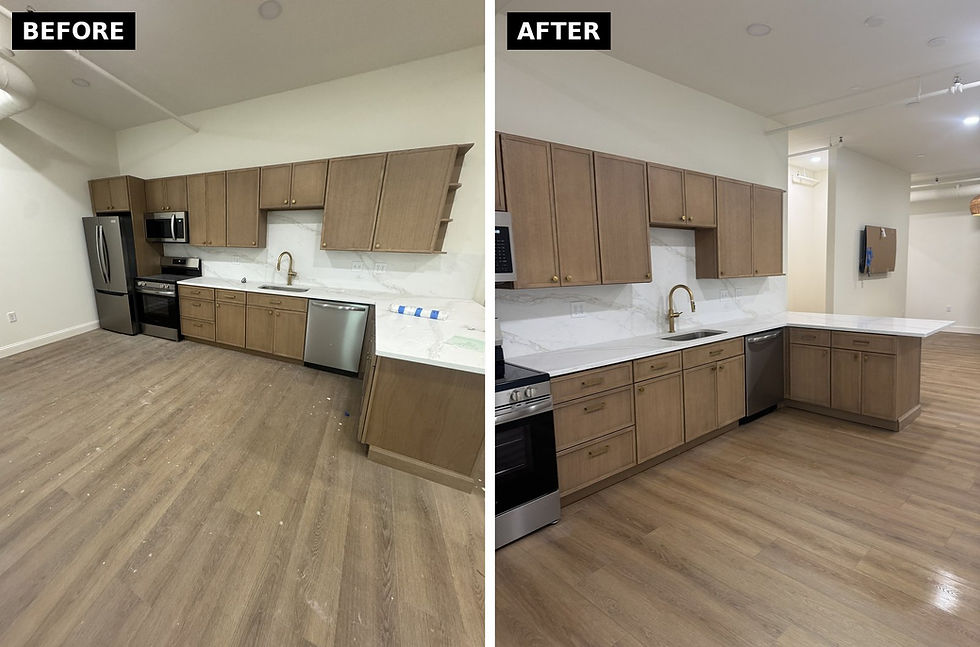
The strongest silica dust plan is visible in the finished result: controlled work zones, clean mechanical and high-reach surfaces, protected finishes, and a space that is ready for the people and operations moving in next.
Frequently Asked Questions
What causes silica dust on job sites?
Respirable crystalline silica is released when workers cut, grind, drill or demolish materials such as concrete, brick, block, stone and some tile. The particles are fine enough to stay airborne and settle across the site. Preventing it starts with controlling the dust at the tool before it spreads.
Does OSHA regulate silica dust in construction?
Yes. OSHA's respirable crystalline silica standard for construction sets exposure limits and requires controls such as water or vacuum dust collection on tools, written exposure control plans, and restrictions on dry sweeping and compressed air where feasible alternatives exist. Maine private-sector employers are covered by federal OSHA.
How should silica dust be cleaned up?
Use HEPA-filtered vacuums or wet methods rather than dry sweeping or compressed air, which put fine dust back in the air. Clean from high surfaces down, contain the area during cleanup, and wear the PPE the task requires. Treat cleanup as part of the silica control plan, not a separate afterthought.
How does silica control connect to the final clean?
If silica dust is controlled during work, the final clean is faster and the space is safer for occupants. Coordinate with the cleaning contractor so HEPA cleanup happens after cutting and grinding phases and before finishes. CC Smart Maintenance's OSHA-certified crews handle this sequencing on Maine and New England projects.
Need a crew in Portland or anywhere in Maine and New England? CC Smart Maintenance is OSHA and aerial-lift certified. Call (207) 358-0837 or request a walkthrough and quote.


Comments