Surface Restoration for Demanding Commercial Sites

Updated: Oct 7
Surface restoration is the process of returning a hard surface to a clean, functional, and professionally maintained condition. It can apply to concrete warehouse floors, VCT and resilient flooring, tile and grout, polished surfaces, loading areas, entryways, stairwells, restrooms, and common areas.
The work may include deep cleaning, stripping failed floor finish, removing construction residue, mechanical scrubbing, stain treatment, burnishing, sealing, recoating, or applying a new protective finish. In some cases, the correct answer is a focused cleaning process. In others, an old coating must be fully removed before the surface can perform as intended.
That distinction matters. Applying new finish over dirt, moisture, adhesive residue, or a failing coating may create a short-term improvement, but it often leads to peeling, discoloration, and uneven wear. A professional assessment identifies what is on the surface, what condition the substrate is in, and which process will hold up under actual site conditions.
Importance of Surface Restoration for Operations
Facility managers and project teams often balance a limited window, active traffic, and high expectations for appearance. Restoration helps solve several problems at once when it is planned correctly.
First, it supports safer movement. Dirty or degraded flooring can reduce visibility of hazards, compromise traction, and create inconsistent walking conditions. In warehouses and logistics facilities, residue from forklifts, packaging materials, oils, and tracked-in contaminants can build up quickly. In tenant-facing properties, dull or stained floors affect how visitors judge the entire building.
Second, it protects the underlying asset. Replacing commercial flooring or repairing damaged concrete is disruptive and expensive. Routine deep cleaning and timely recoating can extend the life of a finish system by preventing abrasives, moisture, and contaminants from working into the surface.
Third, it supports readiness. General contractors need turnover spaces that meet punch-list standards. Property managers need common areas that are ready for tours, inspections, and occupants. Manufacturing and distribution teams need work areas that remain clean without creating unnecessary downtime. Restoration work should be scheduled around those requirements, not treated as an afterthought.
Matching the Process to the Surface and the Problem
Not every stained, worn, or dusty floor needs the same treatment. The most effective approach starts with the actual condition of the site.
Concrete Floors
Concrete is common in warehouses, manufacturing plants, garages, and loading areas because it is durable, but it is also porous. Fine dust, oils, tire marks, salts, and chemical spills can become embedded over time. A machine scrub may be sufficient for routine buildup, while heavier contamination may require targeted degreasing, pressure washing where appropriate, or specialized removal methods.
If a concrete surface is sealed or coated, the restoration plan must account for the coating condition. Aggressive products or improper equipment can damage a sound coating, while a gentle process may not remove contamination from a failed one. The goal is not simply to make the floor look brighter. It is to leave it clean, stable, and suitable for the next phase of use or protection.
VCT, Resilient Flooring, and Finished Hard Floors
Vinyl composition tile and other resilient floors depend on a maintained finish layer to resist scuffs, dirt, and moisture. When that finish becomes yellowed, scratched, or uneven, a strip and refinish process may be the right solution. Crews remove the old finish, neutralize and rinse the floor, allow proper drying time, and apply finish in controlled coats.
This work requires discipline. Insufficient rinse steps can leave chemical residue. Rushing dry time can trap moisture. Applying finish too heavily can create an uneven appearance and increase the risk of failure. A clean, durable result comes from preparation as much as the final coating.
Tile, Grout, and Restroom Surfaces
Tile may appear low maintenance, but grout lines and textured surfaces hold soil that daily mopping cannot remove. Restroom floors, locker rooms, food-adjacent areas, and building entrances often need periodic deep cleaning to address buildup, staining, and odor sources.
The restoration process should be appropriate for the tile type and grout condition. Some surfaces can handle more aggressive agitation, while others require lower-impact methods. The priority is complete soil removal without etching, loosening grout, or sending dirty water into adjacent areas.
Post-Construction Surfaces
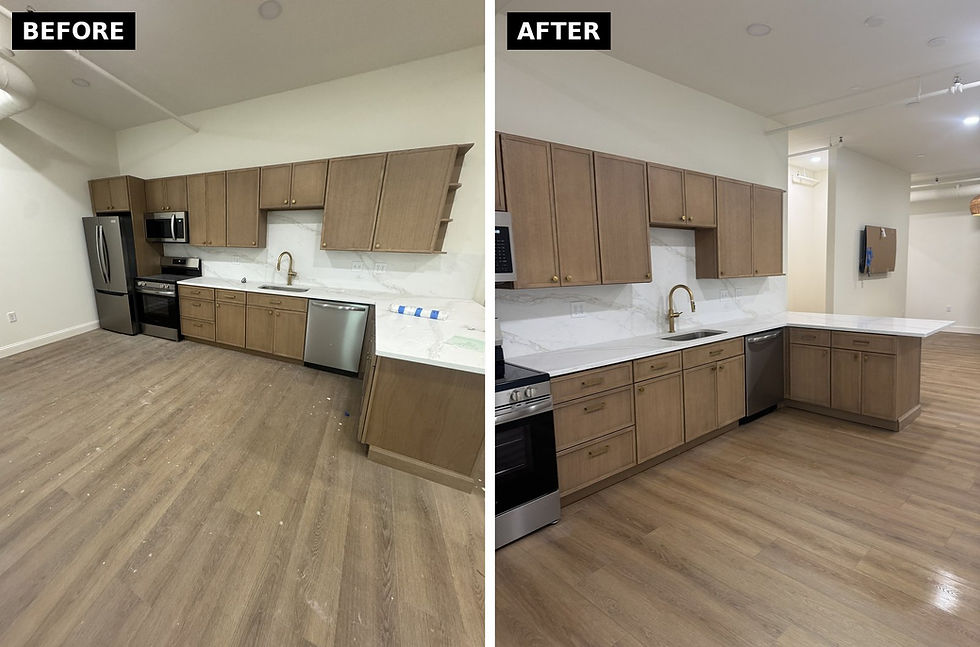
New construction and renovation projects frequently need restoration before they ever reach occupancy. Drywall dust, paint overspray, grout haze, adhesive residue, protective-film remnants, and tracked construction debris can leave floors and fixtures looking unfinished even after rough and final cleaning.
Post-construction surface work must be coordinated with the project schedule. Cleaning too early can mean repeating the work after additional trades enter the space. Cleaning too late can put pressure on a closeout deadline. A defined sequence, from rough cleaning through detailed cleaning and final punch cleaning, keeps surfaces protected while moving the project toward turnover.
Planning Around Safety, Access, and Downtime
Commercial surface restoration is not a one-size-fits-all night cleaning task. It often involves wet floors, equipment movement, cleaning chemistry, restricted access, and areas that may be occupied or operational. The work plan should account for those conditions from the start.
Before crews begin, decision-makers should identify traffic patterns, loading schedules, sensitive equipment, floor drains, ventilation needs, and access limitations. Large-footprint facilities may require phased work so one section remains available while another is being serviced. High-traffic entryways may need overnight scheduling or temporary rerouting. Manufacturing areas may require coordination with production teams and site-specific safety procedures.
The right provider also brings trained labor to the job. OSHA-aware technicians understand the need for clear work zones, chemical handling, personal protective equipment, and documented site practices. When high-reach dust mitigation or elevated cleaning is part of the scope, properly certified aerial lift crews are essential. Safety is not separate from quality. A rushed or poorly controlled job can create hazards, damage surfaces, and delay operations.
Signs It Is Time to Schedule Surface Restoration
A routine janitorial program handles daily soils, but it cannot always correct accumulated damage. Restoration should be considered when floors stay dull after normal cleaning, finish begins to peel or yellow, tire marks and stains return quickly, or employees report slippery or inconsistent walking conditions.
It is also appropriate before a major event: project turnover, a tenant move-in, a compliance inspection, a seasonal reset, or the launch of a new operating area. For many facilities, the best approach is preventive scheduling. A planned restoration cycle is easier to budget, easier to coordinate, and less disruptive than waiting until the surface reaches visible failure.
Selecting the Right Commercial Cleaning Partner
The lowest-priced scope is not always the lowest-cost outcome. A provider should be able to explain what the surface needs, what work will be performed, what areas will be protected, and how the job will be completed without unnecessary disruption.
Look for a clear site assessment, trained and insured crews, equipment suited to the facility, and a realistic plan for drying time and re-entry. For construction, industrial, and logistics sites, experience with large-scale operations is especially valuable. The crew must understand that a clean floor is only one deliverable. The area also needs to be safe, accessible, and ready for the next trade, shift, tenant, or customer.
CC Smart Maintenance approaches surface work with that operational standard in mind. From post-construction turnover to recurring industrial maintenance, the focus is on defined scope, certified execution, and results that support the condition of the property.
A restored surface should make the next day easier to run. When floors, entries, and work areas are cleaned and protected to the right standard, teams can focus on production, occupancy, and project closeout instead of managing preventable cleaning problems.
Conclusion
In conclusion, surface restoration is essential for maintaining the integrity and safety of commercial spaces. It is not merely about aesthetics; it is about ensuring that surfaces are functional and safe for daily operations. By understanding the specific needs of different surfaces and planning restoration efforts accordingly, we can achieve optimal results.
For those looking to maintain pristine, safe, and move-in-ready environments, investing in professional surface restoration services is a wise choice. It not only enhances the appearance of a facility but also prolongs the life of the surfaces, ultimately saving time and money in the long run.
Frequently Asked Questions
What is commercial surface restoration?
Surface restoration returns worn or soiled surfaces to a clean, serviceable condition. On commercial and industrial sites that can mean deep-cleaning and degreasing concrete, scrubbing and refinishing resilient floors, restoring tile and grout, and removing adhesives or overspray after construction. The process depends on the surface and the problem.
How do you know when a floor needs restoration instead of routine cleaning?
Signs include soil that routine cleaning no longer removes, tire marks and grime on concrete, dull or worn floor finish, stained grout, and slippery or uneven surfaces. If daily maintenance isn't restoring appearance or safety, a deeper restoration clean is usually the next step.
Can surface restoration be done while a facility operates?
Often yes, with planning. Work can be phased by zone, scheduled during off-shifts or weekends, and separated from traffic with signage and barriers. Drying and cure times for any floor treatments must be built into the plan. A walkthrough helps set a schedule that limits downtime.
What affects the cost of surface restoration?
Cost depends on square footage, surface type, how heavy the soil or buildup is, access and height, downtime windows, and whether coatings or finishes are involved. CC Smart Maintenance provides free quotes for industrial and warehouse work in Maine after reviewing the facility details.
Need a crew in Portland or anywhere in southern Maine? CC Smart Maintenance is OSHA and aerial-lift certified. Call (207) 358-0837 or request a walkthrough and quote.


Nice Surface Doctor